
When to Start Mowing Your Lawn in Richmond, KY
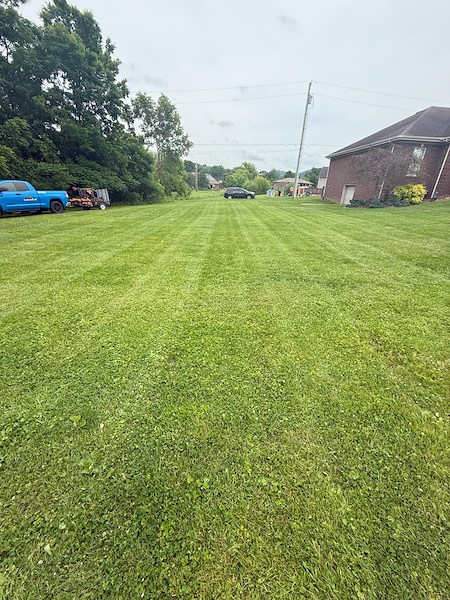
Spring arrives fast in Madison County. Lawns in Richmond wake up with longer days, steady rain, and soil that finally warms. If you’re searching for lawn mowing Richmond, KY and want a simple, trustworthy schedule, here’s how the pros time the first cut and set the pace for the season.
At LawnCat Lawn Care, our crews kick off weekly routes when growth is consistent and blades recover well after a trim. If you want a head start on curb appeal without juggling the calendar, our weekly lawn mowing service keeps your yard neat while protecting turf health.
How Richmond’s Seasons Affect Lawn Growth
Richmond sits in Central Kentucky’s transition zone. Cool-season grasses thrive in spring and fall, then slow during hot midsummer stretches. Spring rain and mild temperatures push fast growth through April and May. By late June, heat and dry spells often slow things down. Fall brings a healthy second wind before growth tapers off ahead of winter.
Neighborhoods like Gibson Bay and Arlington see the same pattern, though shaded streets and lakeside breezes can change how quickly a lawn wakes up. Downtown blocks near EKU warm sooner than low, windy spots east of town.
When Grass Starts Growing In Richmond, KY
Pros watch for consistent daytime warmth, nighttime lows above freezing, and active blade growth. In most years around Richmond, that means late March through April. The first professional cut aims to remove winter raggedness without shocking the plant.
- soil stays above cool, winter levels for several days in a row
- blades bounce back quickly after you walk across the lawn
- you notice steady, even green across sunny and partly shaded areas
Start service once grass is actively growing and you can see uniform lift across the yard. That signals roots and shoots are ready for routine maintenance.
Recommended Mowing Heights For Kentucky Grasses
Most Richmond lawns are tall fescue or blends with Kentucky bluegrass. Professional crews target heights that balance health, color, and weed resistance.
- tall fescue: about 3 to 4 inches during peak heat; slightly lower in cool spring and fall
- kentucky bluegrass: about 2.5 to 3.5 inches; mixes with fescue do well near the middle of that range
- warm-season spots (bermuda or zoysia): lower, more specialized heights; these are less common in local home lawns
These targets help shade soil, reduce stress, and keep the canopy dense. Most Central Kentucky lawns are maintained on the higher side during hot months to support deeper roots and better color.
How Often Should Lawns Be Mowed In Spring, Summer, And Fall
Frequency changes with Richmond’s weather. Our team adjusts visit timing as growth speeds up or slows down so turf stays healthy and looks clean.
Typical rhythm around Richmond:
Spring (March–May): Weekly service is common. Rain and soft soils drive quick growth, especially in sunny yards from Lake Reba to the Gibson Bay area.
Summer (June–August): Still weekly for irrigated lawns or after rainy weeks. During hot, dry stretches, some lawns do better at 7–10 day intervals to reduce stress.
Fall (September–November): Back to steady weekly visits while temps cool and growth rebounds. Final trims taper as growth slows late in the season.
For a deeper dive on consistency, check out our Richmond-focused article on why weekly mowing matters.
Signs Your Yard Is Ready For The First Cut
If you’re in Arlington, along the bypass, or near downtown, the timing looks similar. What changes is how your turf behaves on the ground.
- uniform green in sun and partial shade for more than a few days
- blades tall enough that a conservative trim improves color without scalping
- dry leaf tips from winter wind or salt that a light pass can refresh
Crews also look for even traction and firm soil. Avoid cutting when the lawn is wet or frosty because it can tear blades and mat clippings.
What Professional Crews Do On The First Visit
First cuts in Richmond focus on health as much as looks. Our teams aim for a light clean-up that sets the tone for the year.
What this looks like:
1) Conservative height for a tidy, even surface. 2) Clean edging that defines hardscapes, driveways, and sidewalks. 3) Thoughtful clipping management so nutrients return to the soil and the lawn stays neat. 4) A schedule that matches growth across early spring, summer heat, and fall recovery.
How Heights Shift As Weather Changes
Early spring: slightly lower than peak-summer targets to remove winter tip burn and encourage thick, even color. High summer: raise the deck toward the upper end of the range for fescue and bluegrass to help shade the soil and handle heat. Fall: steady heights maintain density while the lawn builds reserves before winter.
In multi-grass lawns, our crews set a balanced target that favors health across the mix. That keeps blends consistent from sunny front yards to tree-lined back lots.
Local Factors That Can Change Your Start Date
Every yard is unique. Hills off Tates Creek, windy exposures, and big canopy trees can shift growth by a week or two. Irrigation, pet traffic, and new construction soil also change how quickly a lawn wakes up. We watch these cues on-site and time the first cut accordingly.
Support Your Turf With Simple Add-Ons
Clean bed lines and fresh mulch help lawns look finished as green-up starts. If your beds need a quick refresh to frame the turf, our team can handle mulch installation so grass and gardens match in color and polish.
A Note On Clippings And Patterns
Professional routes in Richmond usually mulch clippings to return nutrients. Changing mowing patterns helps reduce tire marks and keeps growth even across high-traffic areas like curb strips and mailbox zones. These small details make a big difference in summer.
Example Seasonal Pace For Richmond Homes
Here’s how a typical schedule plays out for a tall fescue lawn on the east side of town, with a mix of sun and shade:
• March–May: weekly service as growth surges after consistent warmth
• June–August: weekly or every 7–10 days depending on heat and rainfall
• September–October: weekly while temps cool and color deepens
• Late season: occasional tidy-up if growth continues into a mild November
Ready For A Smooth Start To The Season?
If you want a worry-free kickoff and a yard that stays camera-ready from spring to fall, partner with a local team that knows Richmond’s streets and seasons. It’s the easiest way to keep consistent color and healthy turf without guessing week to week.
When you’re ready, schedule professional lawn mowing in Richmond, KY with LawnCat Lawn Care or call 606-212-2392 to get on the route that fits your yard and your calendar.