
How to Design Low-Maintenance Landscape Beds for Kentucky Homes
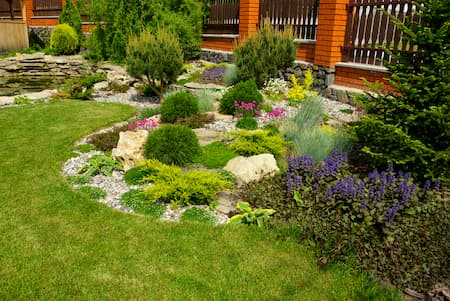
If your weekends are packed and you want a yard that stays neat with less work, the right bed design can make all the difference. This guide shows Richmond homeowners how to plan low-maintenance beds by focusing on layout, mulch, edging, weed prevention, and plant spacing. When you are ready to put the plan into action, partner with the pros at LawnCat Lawn Care for expert landscaping services that look great through every season.
What Low-Maintenance Really Means In Richmond, KY
In Central Kentucky, summers run hot and humid and winters bring freeze‑thaw swings. Clay soils are common, and spring storms can wash out unprotected beds. A low-maintenance design for Richmond, KY handles heat, holds soil, drains well, blocks weeds, and stays tidy after rain without constant touch-ups.
Think of your landscape beds like a house. The shape is your floor plan, the edging is your trim, the mulch is your flooring, and the plants are your furniture. When each piece fits, the whole room stays clean with little effort.
Start With Bed Shape And Layout
Bed shape sets the tone for everything else. Curves can soften the look of brick and siding, while straight lines match modern homes. Aim for smooth, gentle arcs instead of wavy lines. Tight squiggles are hard to mow and edge around.
- Choose bed shapes that match how you mow. Longer curves with broad sweeps make string trimming quicker and reduce scalping.
- Keep beds wide enough for plants at mature size. Most front beds do best between 4 and 6 feet deep so shrubs do not press against the house.
Allow clear space for access. A wheelbarrow path or stepping stones inside deeper beds keeps maintenance traffic off the soil, which protects roots and prevents compaction.
Smart Mulch Selection For Kentucky Weather
Mulch is the quiet workhorse. It saves water, evens out temperatures, and smothers weeds. The key is picking media that fits your yard’s look and your upkeep level.
- Shredded hardwood: Natural look, breaks down to feed soil. Needs seasonal refresh.
- Brown or black color-enhanced mulch: Holds color longer and frames plants well near brick.
- River rock or pea gravel: Ultra low upkeep where runoff or dogs kick mulch. Heavier and warmer, best with heat-tough plants.
- Pine straw: Light and easy to spread. Works well under trees but can shift on slopes.
For many Richmond, KY homes, a two- to three-inch layer is the sweet spot. Too thin invites weeds. Too thick can starve roots of air. Pair the right mulch with clean, consistent edges and you will see fewer weeds and less washout after storms. If you want help choosing the best option for your beds, our team provides professional mulch installation in Richmond, KY that holds up through summer heat and spring rains.
Edging Options That Keep Beds Crisp
Edging locks everything in place and cuts down on constant touch-ups. It also creates a visible line that mowers can follow, which saves time all season.
Choose edging that creates a root barrier so turf does not creep into your mulch. Common options include:
Steel or aluminum edging. Durable, neat, and flexible for smooth curves. It sits low but firm, so mulch stays put.
Concrete or paver borders. A polished look that pairs well with brick homes. Great for straight runs and gentle bends.
Natural cut trench. Clean and budget-friendly, but it must be re-cut a few times a year to stay crisp.
Match the edge to your bed shape. Curves do best with metal edging. Straight foundations look sharp with pavers. For slope beds near driveways or along Lake Reba area lots that shed water fast, a heavier edge helps hold mulch in place.
Weed Prevention That Works Without The Headache
Weeds steal water and crowd out your plants. The right layers make it hard for them to get started. A clean soil surface, proper spacing, and a steady mulch depth are your first defense. In rock beds, a professional-grade underlayment beneath the stone helps stop blow-in seeds from taking hold. In organic beds, fresh mulch placed on a weed-free base does the same job.
Skip plastic sheeting under shrubs and perennials. It can trap water in our clay soils and stress roots. Instead, rely on consistent depth and tidy edges. Your maintenance becomes quick spot pulls during the growing season, not weekend marathons.
Plant Spacing For Less Pruning And Fewer Problems
Right plant, right place is the backbone of low-maintenance. Start with mature size. If a shrub reaches 4 feet wide, give it that space on day one. Plants that can breathe are less likely to develop leaf disease in our humid summers.
Stagger plants in gentle triangles so each has room to grow. Tighter front spacing with lower growers near walks keeps beds looking full without blocking views from porch or windows. Use evergreen structure plants to anchor the bed, then mix in a few seasonal bloomers for color.
Avoid overplanting small beds. It looks great in month one, then turns into a hedge in year two. Proper spacing means less pruning and a cleaner look year-round.
Layouts Built For Busy Richmond Homeowners
Foundation Bed That Stays Tidy
Picture a 5-foot-deep front foundation bed with steel edging and dark hardwood mulch. Evergreen shrubs set the frame, with space for air flow between foliage and brick. A few heat-tough perennials add season-long interest. This layout resists weeds, sheds water away from the house, and needs only light touch-ups after storms.
Mailbox Island That Won’t Sprawl
A small, rounded island edged in pavers with rock mulch cuts down on wash and foot traffic. A compact shrub and a couple of clump-forming perennials give shape without flopping into the street. Rock keeps grass clippings from disappearing into the bed after mowing.
Side Yard Screen Without The Shears
Along property lines, choose slower growers with a natural form. Space them for mature width so you do not have to trim monthly. A trench or steel edge and two inches of mulch will keep volunteer grass from moving in.
Drainage And Slope Considerations
Low-maintenance beds respect water. On slopes, rock or a heavier mulch like nugget bark resists movement. In flat, clay-heavy spots, consider a raised bed profile with a smooth steel edge to keep mulch inside. Place thirstier plants downslope and drought-tough choices upslope so each gets the moisture it prefers.
Color And Texture Without Extra Work
Evergreen plants with varied textures do the heavy lifting. Fine, medium, and bold foliage planted in balanced groups looks full even in winter. Flowers are a bonus, not a requirement. Use a consistent mulch color across the front yard to tie the look together and make mowing lines pop.
Keep Access Simple So Beds Stay Simple
Place beds far enough from fences and AC units so a mower or trimmer can pass without scuffing. Use stepping stones set flush with the mulch in deeper beds so you or your lawn team can reach shrubs without crushing soil. Good access cuts time on every visit and prevents damage that leads to extra fixes later.
Seasonal Touch Points For A Low-Touch Yard
A truly low-maintenance design needs short, planned check-ins. Most Richmond homes do well with spring refreshes after pollen season, a quick mid-summer tidy, and a final fall cleanup. Your lawn and landscape crew can handle these visits while you focus on family and game days.
When you choose LawnCat Lawn Care, our team keeps edges clean, mulch at the right depth, and beds open for airflow. That way your yard holds its shape through heat waves, tailgate traffic near EKU, and sudden showers.
When To Call A Pro
Bring in a professional when you have heavy clay, tricky slopes, or beds close to foundations and utilities. Pros have tools to set strong edges, prep soil without a mess, and install mulch that resists washout. If you want the whole front of house refreshed at once, our landscaping team can design, edge, and mulch in a single coordinated visit so your curb appeal jumps fast.
For homeowners comparing companies, check that crews are insured, use clean equipment, and show examples of work that match your style. Look for consistent edging lines and even mulch depth in photos. Those details tell you what your beds will look like six months from now.
Tie It All Together With A Simple Plan
Keep your plan short and clear. Choose a bed shape that is easy to mow, pick one mulch color that fits your home, use a tidy edge that lasts, and give every plant room to grow. That is the formula for a yard that stays sharp from Gibson Bay to neighborhoods near downtown.
If you want a turnkey upgrade, ask us about rock accents around downspouts, paver borders at driveways, and steel edging on curves for a clean look that lasts. Our designers can pull these pieces into a single, clean layout so you are not juggling projects across seasons.
Ready To Make Your Beds Low-Maintenance?
You can start with a design consult and finish with a full install. To explore options, review our approach to landscape bed design or learn how our team installs the right mulch for your site. Many Richmond homeowners begin by reading, then decide they want expert help putting it all in place. That is where we come in with friendly service, clear communication, and results you can see from the curb.
When you are comparing local companies, bookmark this page and share it with your family. If you want the big picture and a smooth process, our crew can handle it all.
Take The Next Step With LawnCat Lawn Care
For a fast, professional path to low-maintenance landscape beds, call us at 606-212-2392 or explore our landscaping services to see how we plan layouts, set clean edges, and install the right mulch for Richmond homes. If you are searching for low maintenance landscaping in Richmond, KY, our team is ready to help with a design that fits your home and your schedule.
When you want a yard that looks great with less work, choose the local pros who know the weather, the soil, and the styles that fit our community. We would love to bring your vision to life.